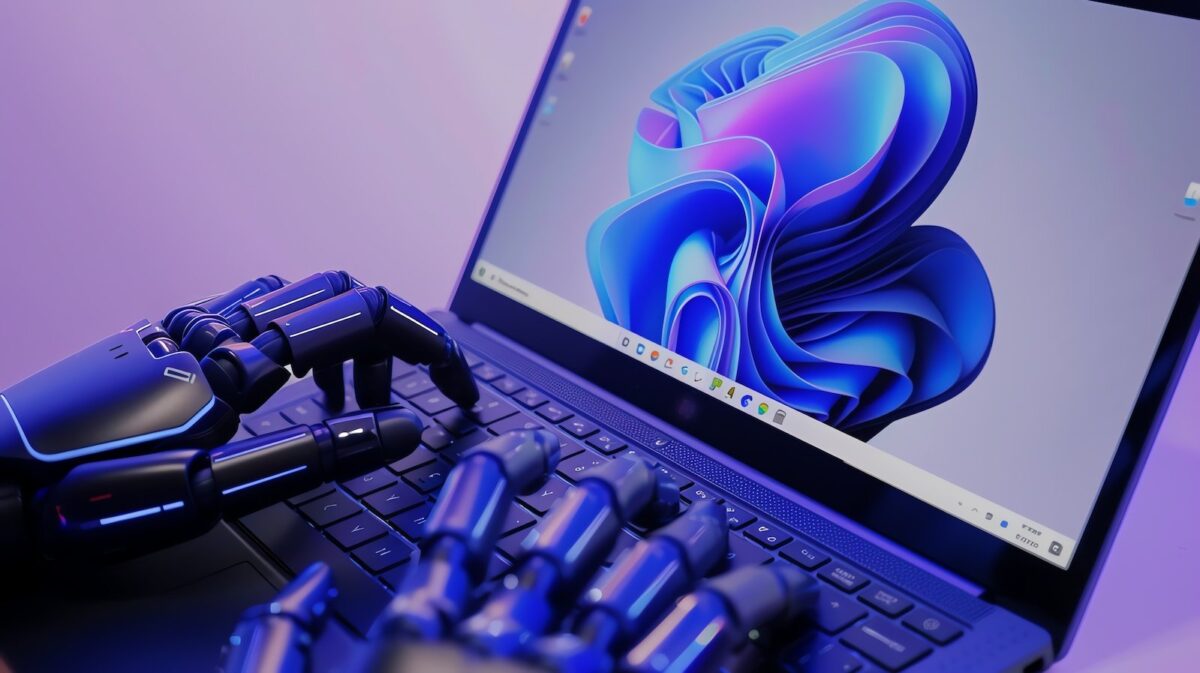


Microsoft is steadily integrating advanced AI-powered features deeper into Windows 11, signaling a significant shift in how users interact with the operating system. These enhancements leverage artificial intelligence to improve productivity, customization, and overall user experience.
Recent updates showcase AI functionalities embedded in various core components of Windows 11. From intelligent task scheduling and personalized recommendations to enhanced voice recognition and contextual assistance, the operating system is becoming increasingly intuitive and adaptive.
One notable example is the improved Snap Layouts feature, which now uses AI to predict and suggest optimal window arrangements based on user habits and workflow patterns. Additionally, Microsoft’s AI-driven Copilot is gaining broader integration, assisting users with complex tasks, automating routine processes, and offering contextual help right within the desktop environment.
Security is also benefiting from AI advancements. Windows 11’s AI-powered threat detection continuously learns and adapts to emerging cyber threats, providing robust protection without compromising system performance.
As these AI-driven capabilities become more deeply embedded, Windows 11 is evolving from a traditional operating system into a smart, proactive assistant tailored to individual user needs. This development underlines Microsoft’s commitment to harnessing artificial intelligence to redefine the future of computing.
Users can expect more AI-powered features to roll out gradually, transforming everyday interactions and workflows on Windows 11.
Microsoft is accelerating its integration of AI-powered features within Windows 11, bringing smarter, more intuitive experiences to users at every level. These enhancements are designed to streamline workflows, boost productivity, and make the operating system more responsive to individual needs.
“Artificial intelligence is no longer just an add-on; it’s becoming fundamental to how Windows operates,” said Panos Panay, Microsoft’s Chief Product Officer. “Our goal is to empower users by embedding AI deeply into the platform, making everyday tasks easier and more efficient.”
Recent updates to Windows 11 demonstrate this shift clearly. AI-enhanced Snap Layouts now intelligently suggest window arrangements based on how users work, while the expanding AI-driven Copilot feature assists with everything from automating routine tasks to providing real-time contextual help, right within the desktop environment.
Cybersecurity is also benefiting from these AI advancements. “Windows 11’s AI-powered threat detection continuously adapts to new cyber threats, protecting users without compromising system speed or usability,” explained Vasu Jakkal, Corporate Vice President of Security, Compliance, and Identity at Microsoft.
Industry experts view these developments as a significant step toward more personalized and proactive computing. Tech analyst Lisa Morgan commented, “Microsoft’s deep AI integration into Windows 11 reflects a broader trend in operating systems evolving into intelligent assistants that anticipate user needs.”
For users, these changes mean a more adaptive, efficient, and secure computing experience. As AI features continue to embed deeper into Windows 11, Microsoft is reshaping the future of personal and professional computing.
You can join the comment by participating. Ason Tech Magazine.